



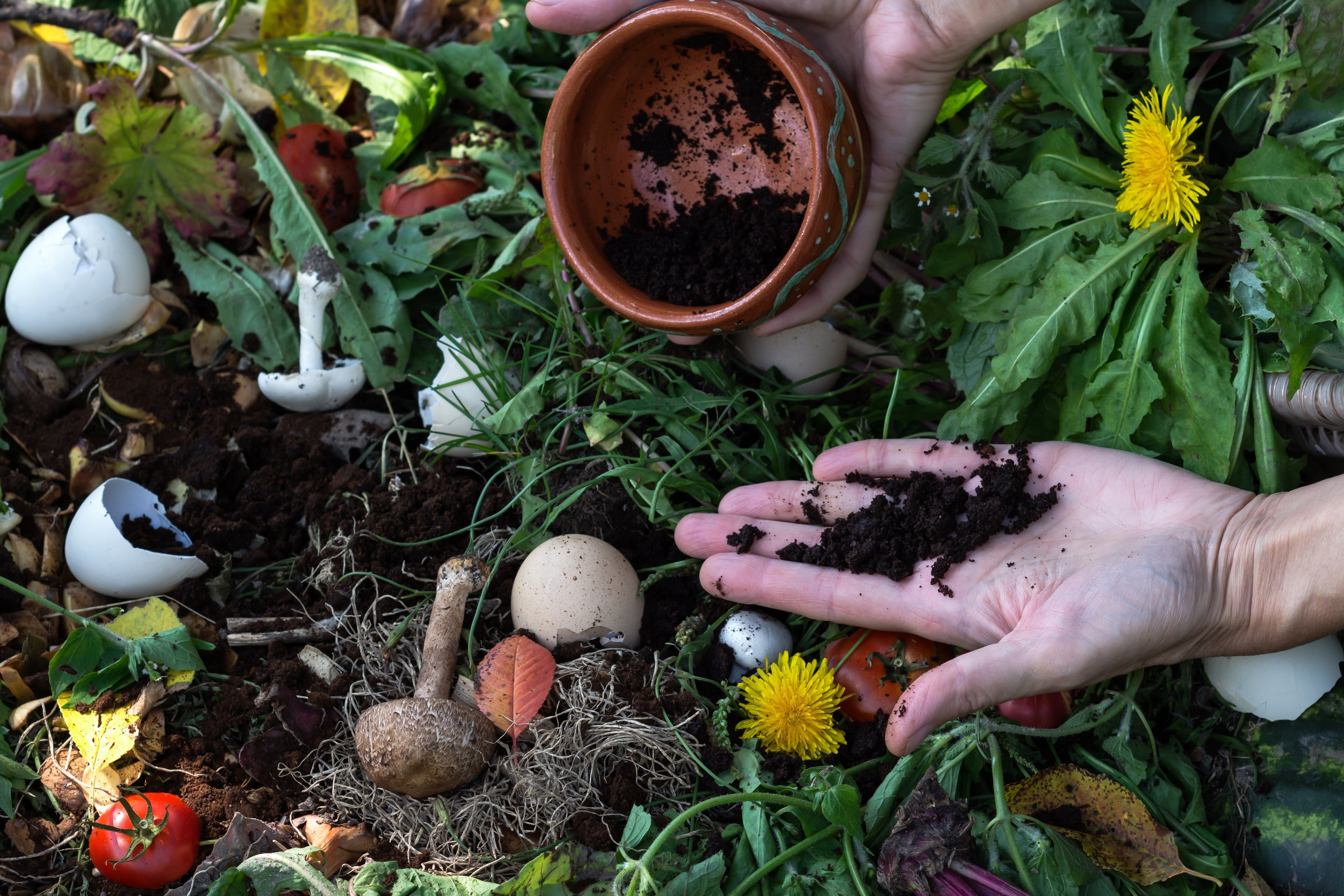
Cutting Through the Composting Confusion
I’m always talking about the benefits of composting — especially how simple it becomes once you choose a system that truly fits your home, space, and lifestyle.
Today, I want to highlight a few important considerations when deciding whether to send your waste to recycling facilities or to compost your food and garden waste at home so you can produce your own nutrient-rich compost.
Here are a few things to keep in mind:
Composting is rewarding, but it’s not one-size-fits-all. As more cities begin collecting food scraps and more people try composting at home, new conversations are emerging — from contamination challenges at recycling and composting facilities to concerns about odors, pests, and the practical realities of composting in smaller home spaces.
Contamination at recycling facilities, one of the biggest issues today related to waste received at recycling facilities is contamination. Municipal programs are struggling with plastics, produce stickers, packaging, and items labeled “compostable” that simply don’t break down in most systems.
These issues is a reminder that successful composting starts with knowing what truly belongs in the collection bin.
Why composting at home is the most efficient and sustainable alternative: Many people worry about odors, attracting pests, or not having enough space. These concerns are common—and completely valid. The good news is that, with the right composter, these challenges are far easier to manage than most people expect, allowing you to maintain better control over the composting process and enjoy clean, hassle-free results.
By composting at home, you learn exactly which types of food and garden waste can go into your bin. And if you have a hot composter like the HOTBIN, you’ll be able to compost an even wider range of materials — and operate the bin efficiently to keep composting year-round.
Furthermore, if you choose composting at home or where the waste is created, you might be choosing the most efficient and sustainable alternative to compost your food and garden waste. Enclosed bins, proper balance of materials, and choosing the right composter for your setup make a world of difference.
That’s why I often recommend hot composting for those who want a cleaner, faster, low-maintenance option. Hot composting systems like the HOTBIN are fully enclosed and insulated, helping control odors, deter pests, and speed up the composting process — all in a compact footprint. For many households, this design removes the biggest barriers to getting started.
Finally, whether you choose a hot composter, a traditional bin, or your city’s food-waste program, the most important step is finding a method that feels realistic for your home and your routine. Composting isn’t about perfection — it’s about participation, progress, and discovering how easy it can be once you’re set up for success.
Curious which composter fits your space and lifestyle? Explore more details and HOTBIN options on our website.


