


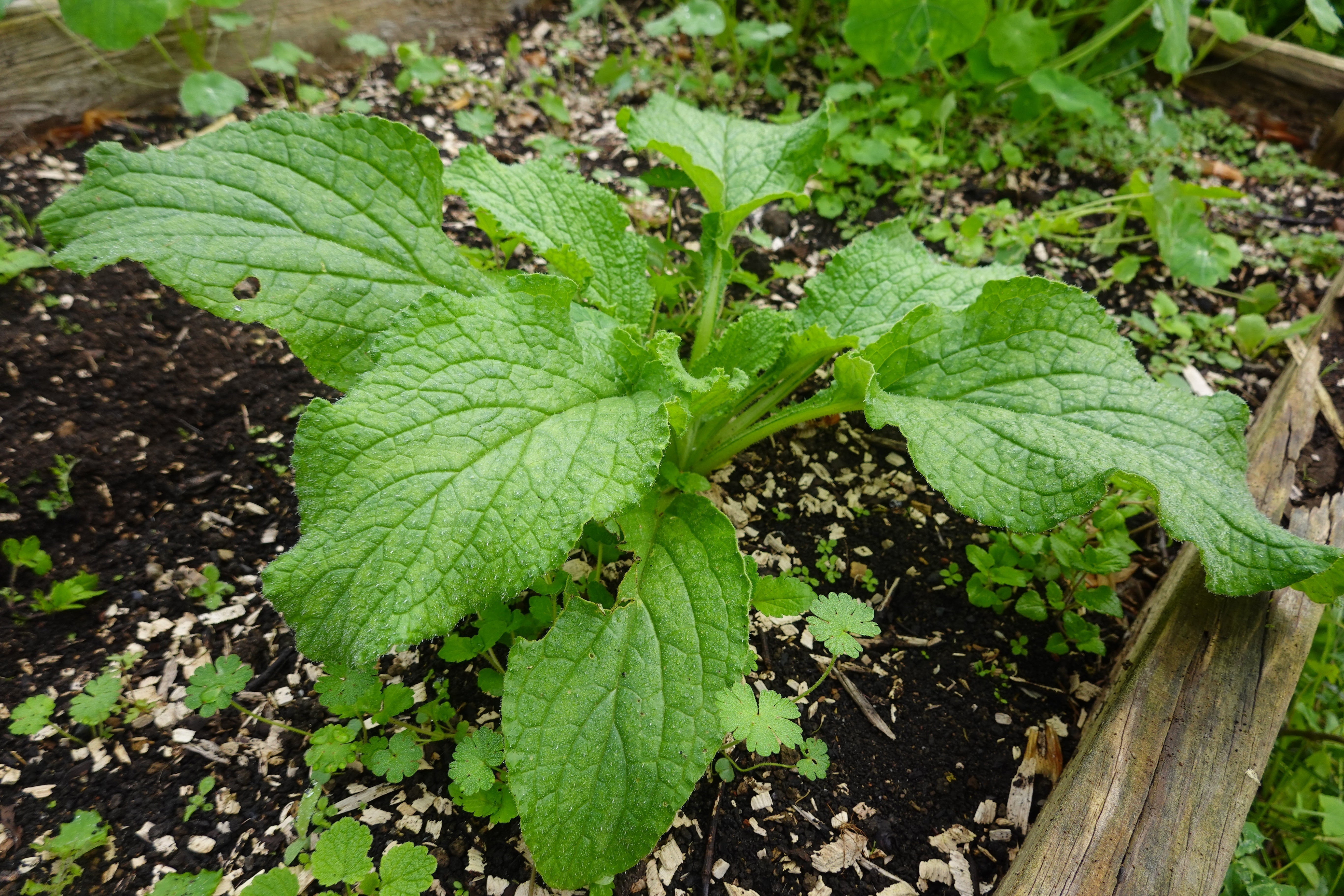
The answer is YES you can! HOTBIN can compost those ‘unwanted things’ that grow in the ‘wrong places’ in our gardens.
Weeds are a natural part of every garden, and in most cases, they can be composted successfully in your HOTBIN. However, there are a few important precautions to ensure they break down completely and don't find their way back into your garden.
If you remove weeds while they are still young, they decompose quickly and make an excellent addition to your compost. If they are not properly composted, however, viable weeds and seeds can survive and spread throughout your flower beds and vegetable garden when the finished compost is used.
For this reason, many gardening experts recommend destroying weeds before composting them—especially in traditional cold compost bins, where temperatures are often too low to kill seeds and roots.
The Advantage of HOTBIN
The key to safely composting weeds is heat. HOTBIN's hot composting process maintains temperatures between 100°F and 140°F, which are high enough to destroy most weed seeds and even tough perennial weeds when sustained over time.
If your weeds have been treated with a household weed killer, they can still be composted. Most domestic herbicides are biodegradable and break down during the composting process.
Best Practices for Composting Weeds
-
Make sure your HOTBIN is operating between 100°F and 140°F before adding weeds.
-
Never add weeds or seed heads to a HOTBIN that has not reached composting temperature. If the bin is too cool, viable seeds may survive and end up in your finished compost.
-
Place weeds and seed heads in the center of the top layer, where temperatures are highest.
-
Avoid mixing or pushing weeds into the cooler outer layers of the compost, where they may not receive enough heat to be fully destroyed.
-
Test your finished compost if you are composting invasive weeds. Fill a few small pots with the finished compost, water them, and observe for a few weeks. If no weeds germinate, your hot composting process has done its job.
A Final Note
No composting system can guarantee the complete elimination of every weed seed. Birds, wind, animals, and even dormant seeds already present in your soil continually introduce new weeds into the garden.
However, by maintaining proper HOTBIN temperatures and following these best practices, you can greatly reduce the risk and safely compost most common garden weeds while producing rich, healthy compost.