


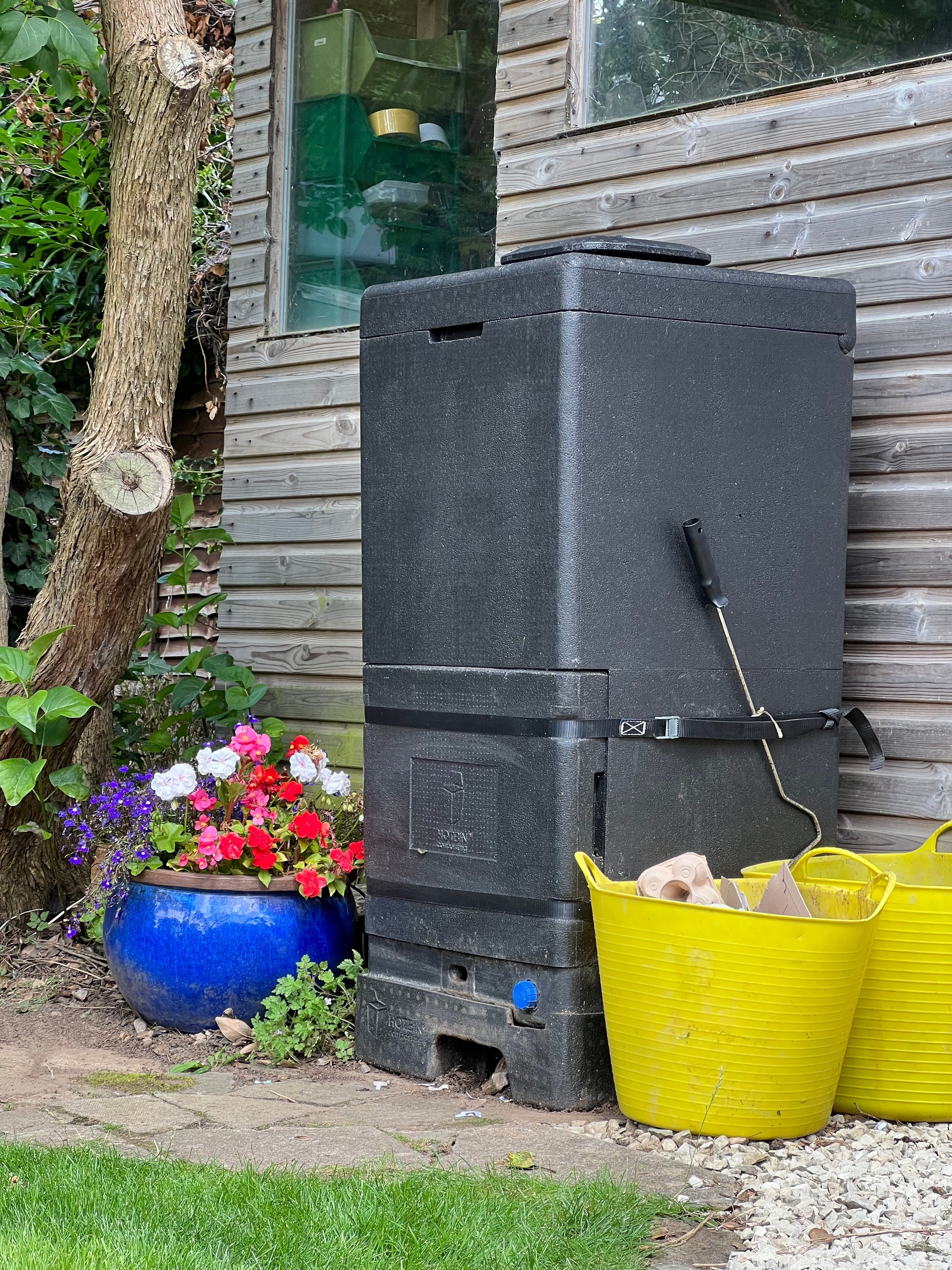
What's the Best Waste to Add to Your HOTBIN?
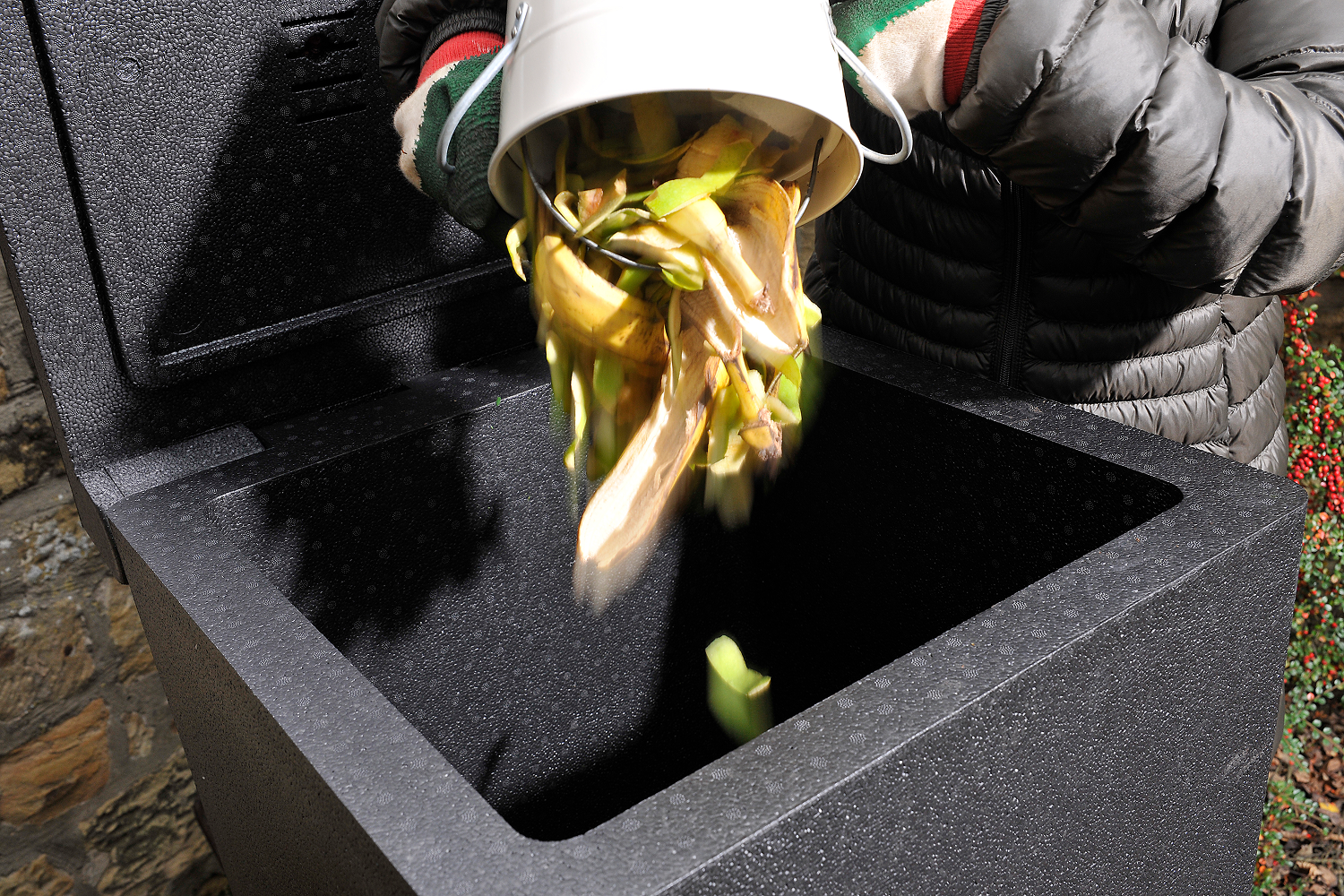
Getting your HOTBIN off to a strong start is simple. The key is to provide your composting microbes with plenty of food that's easy to break down.
As a general rule:
- Add plenty of organic waste.
- Choose materials that decompose quickly, as they generate heat faster and help establish hot composting.
There are two common ways to start a HOTBIN, depending on how much compostable material you have available.
Option 1: The Gradual Start
"I don't have much waste."
If you generate only small amounts of kitchen and garden waste, simply use your HOTBIN like a traditional compost bin.
Add waste as it becomes available, remembering to include the recommended amounts of shredded paper and bulking agent with every addition.
As the compost volume increases, the temperature will gradually rise above the outdoor temperature and eventually begin reaching hot composting levels. Depending on the season and the amount of waste added, this usually takes 2–6 weeks.
Option 2: The Fast Start
"I have plenty of waste."
If you have a large amount of compostable material available, you can get your HOTBIN up to temperature much more quickly.
Fill the bin with a base layer of at least 16 inches of compostable material—just above the access hatch—and mix in the appropriate amounts of shredded paper and bulking agent.
This provides enough food for beneficial bacteria to multiply rapidly and begin generating heat almost immediately.
If you're adding finished or partially composted material, use it sparingly. Since much of its energy has already been consumed, it should be mixed with fresh waste to provide the bacteria with enough food to sustain hot composting.
HOTBIN Needs a Minimum Amount of Waste
HOTBIN won't reach its optimal composting temperature of 100–140°F until it contains a minimum volume of material.
As a guideline, the compost should reach about 16 inches deep, or just above the access hatch.
This base layer provides enough organic material for beneficial bacteria to generate and retain heat.
Tips for a Faster Start
To help your HOTBIN heat up as quickly as possible:
- Start with materials that are easy for microbes to digest, such as:
-
Fresh grass clippings
- Fruit and vegetable scraps
- Vegetable peelings
- Chicken manure or chicken pellets
- Small amounts of blood and bone meal
-
- Chop or shred larger materials into pieces smaller than 2 inches to increase the surface area available to composting microbes.
- Always add the recommended amounts of shredded paper and bulking agent with every load of waste.
- Wait until the HOTBIN is operating within the 100–140°F range before adding slower-to-decompose materials or more challenging compostables.
Using the Kick-Start Bottle
During very cold weather, beneficial bacteria may need a little help becoming active.
If the internal temperature falls below 59°F, you can use the supplied Kick-Start Water Bottle to gently warm the compost and stimulate microbial activity.
This method works best when there is plenty of fresh, easy-to-compost material available.
Think of it like fueling your body: a balanced, nutritious meal provides lasting energy, while sugary snacks deliver only a short burst. Similarly, the hot water bottle provides a brief boost of warmth, but the bacteria still need fresh organic material to generate long-lasting heat.
The Kick-Start Bottle is also useful after returning from vacation if your HOTBIN has gone unfed for several weeks and the temperature has dropped below 59°F.
Final Tip
The fastest way to establish a healthy HOTBIN is to provide beneficial bacteria with what they need most: plenty of fresh organic waste, the right balance of moisture and airflow, and enough material to retain heat. Once those conditions are in place, your HOTBIN will quickly become a highly efficient hot composting system that transforms waste into rich, garden-ready compost throughout the year.